
Importing goods into Kenya involves more than arranging transport. Learn how to plan freight, documents, customs support and final delivery from supplier to destination.
Start with the shipment details
Before requesting a quote, gather the supplier location, destination, cargo description, number of packages, gross weight, dimensions and expected ready date. Accurate information helps a logistics provider recommend the right mode and prepare a realistic estimate.
Choose air freight or sea freight
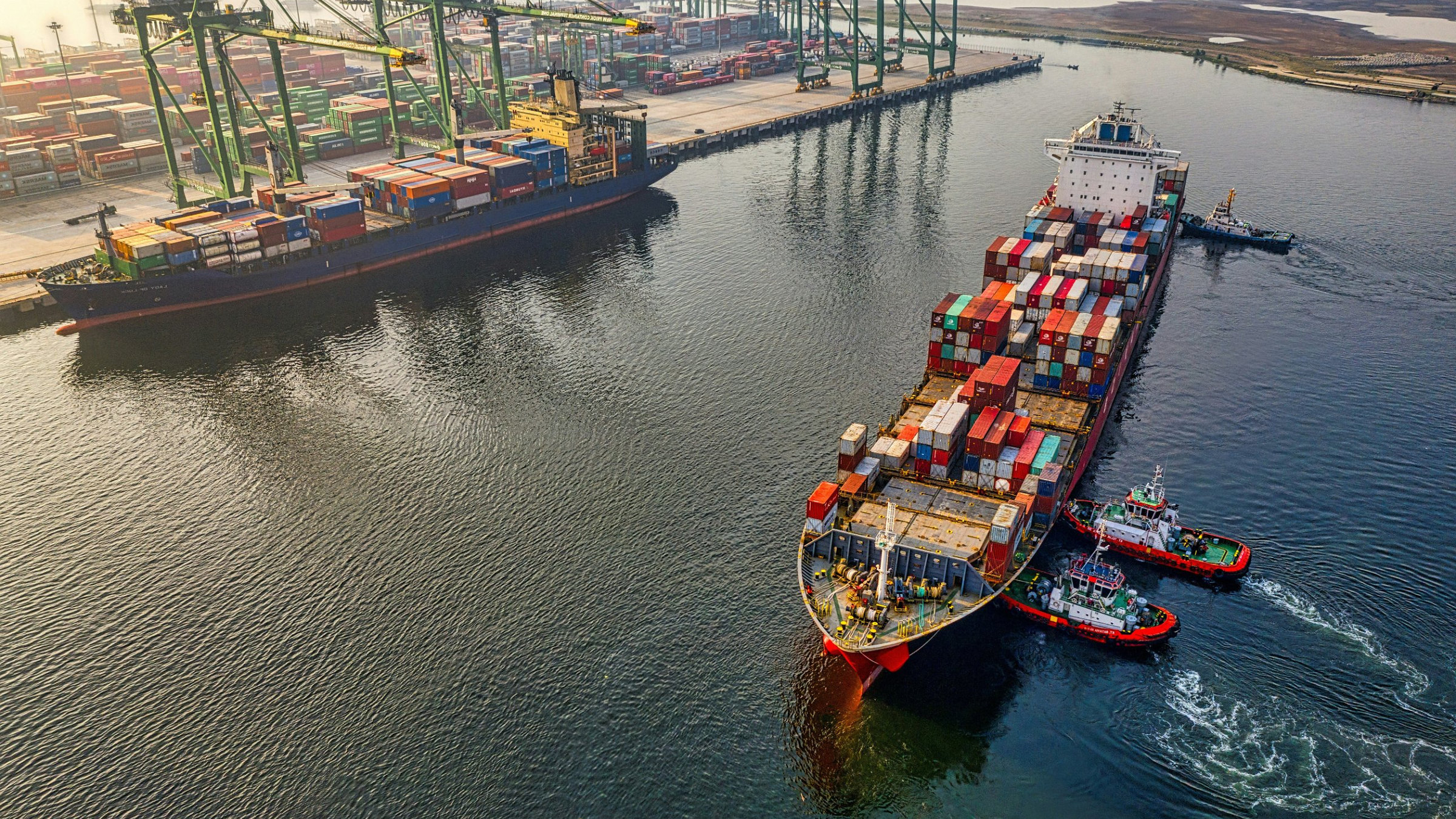
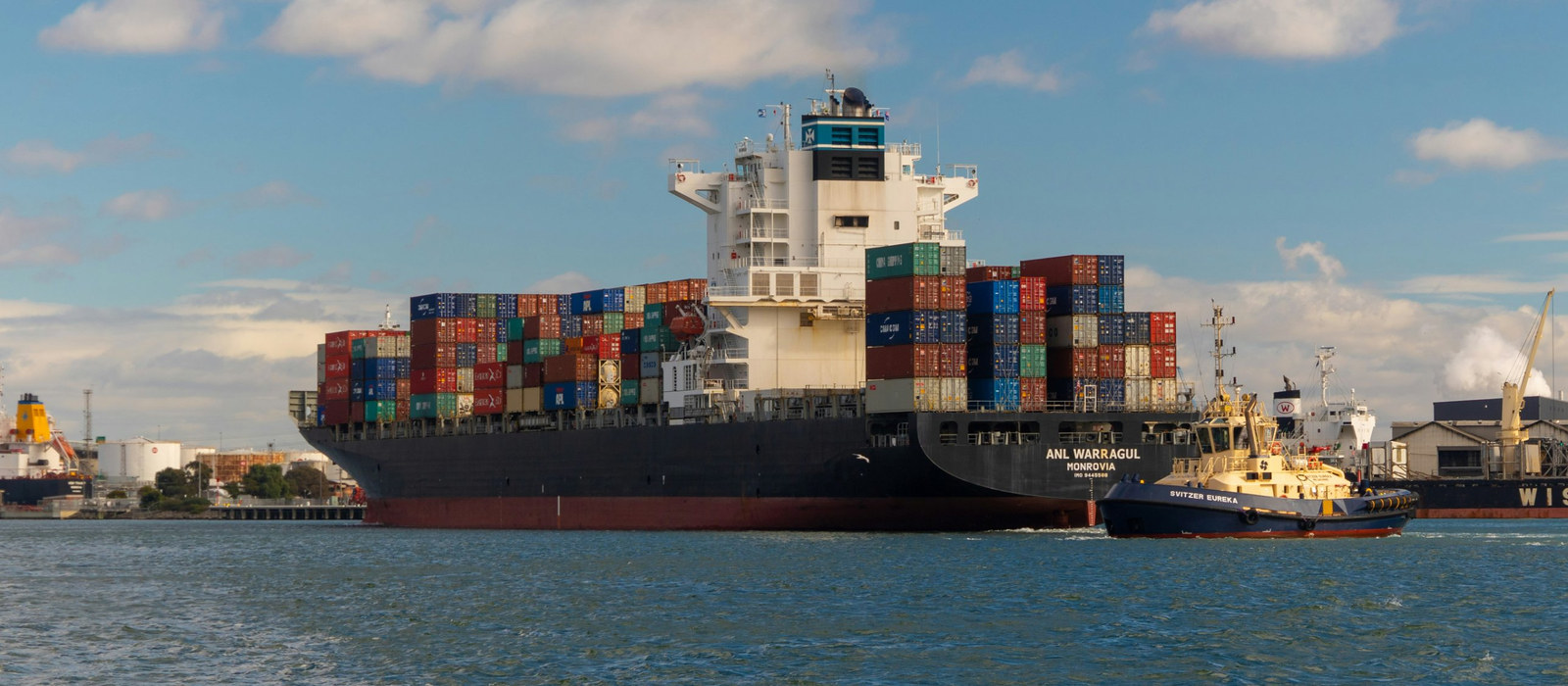
Air freight is useful for urgent, time-sensitive or relatively high-value cargo moving through JKIA. Sea freight via Mombasa can be more economical for larger or less time-sensitive consignments, including FCL and LCL shipments.
Prepare commercial documents early
Commercial invoices, packing lists and any certificates, permits or product-specific documentation should be reviewed before shipment. Missing or inconsistent information can create avoidable questions during clearance.
Plan customs and inland delivery
Customs clearance is only one part of the journey. Plan how cargo will move from the airport or port to the final consignee, including warehousing, delivery scheduling and proof of delivery where required.
Build a landed-cost view
Freight is not the only cost. Importers should consider handling, clearance, duties and taxes where applicable, storage, local transport and other shipment-specific charges when comparing logistics options.
Need help with your shipment?
Share your origin, destination, cargo type, weight and dimensions with Pandora Sky Logistics and let us help you plan the next step.