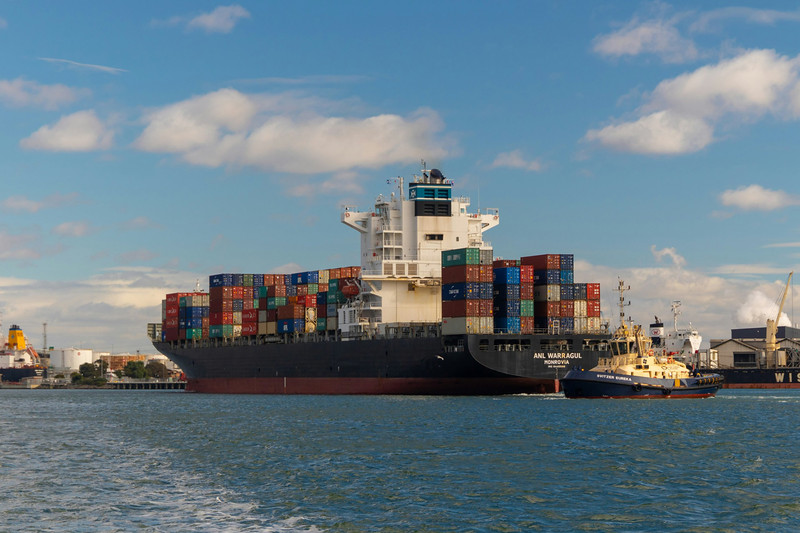
How to Import Goods into Kenya: A Practical Shipping Guide
From choosing air or sea freight to preparing commercial documents and planning inland delivery, successful importing starts before the cargo leaves the supplier.
Read guide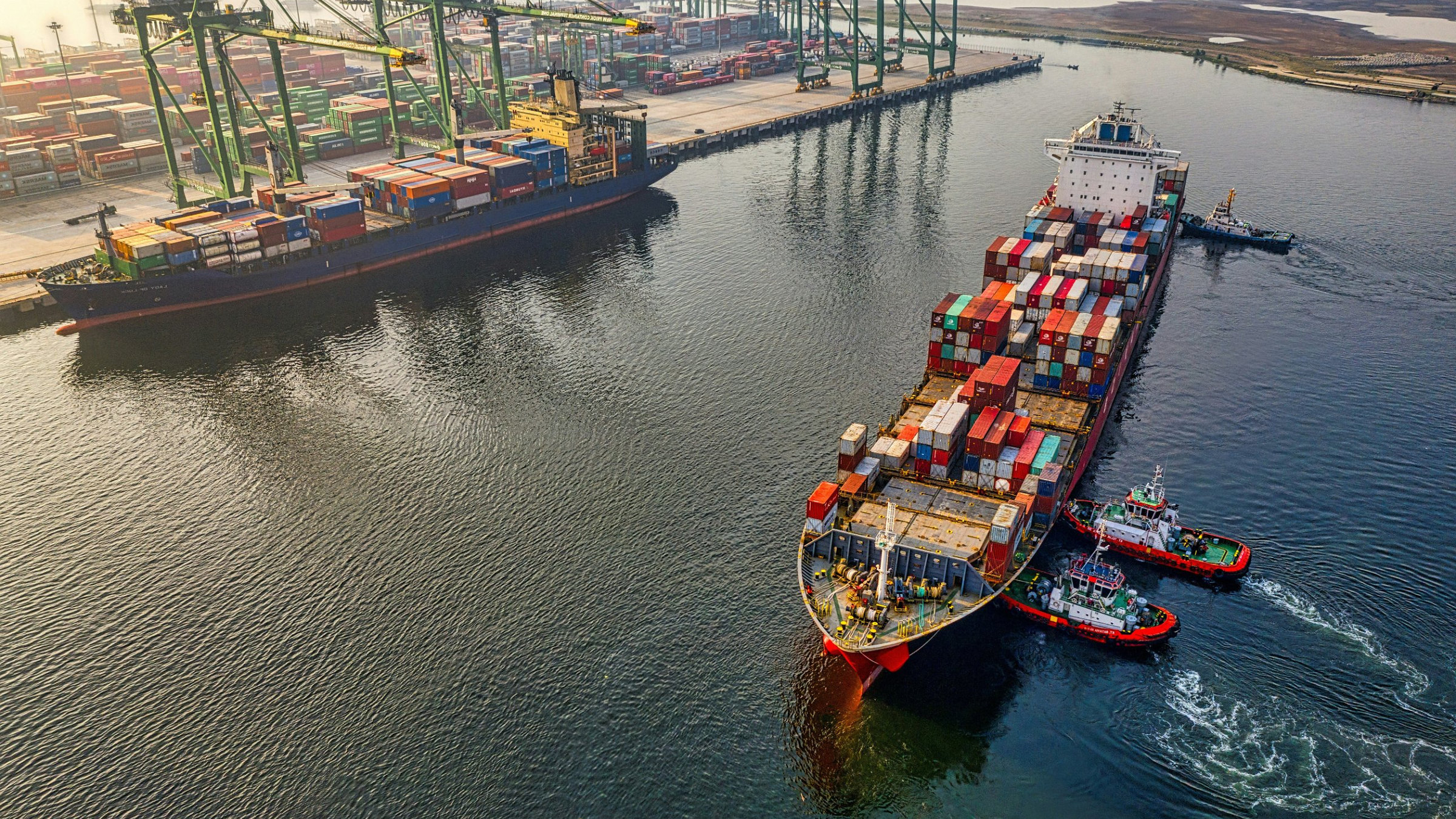
Clear, practical information for importers, exporters, online sellers, traders and individuals moving cargo through Nairobi, JKIA, Mombasa and beyond.
Our logistics blog explains the real-world choices behind freight, customs, courier and delivery — without unnecessary jargon.
From choosing air or sea freight to preparing commercial documents and planning inland delivery, successful importing starts before the cargo leaves the supplier.
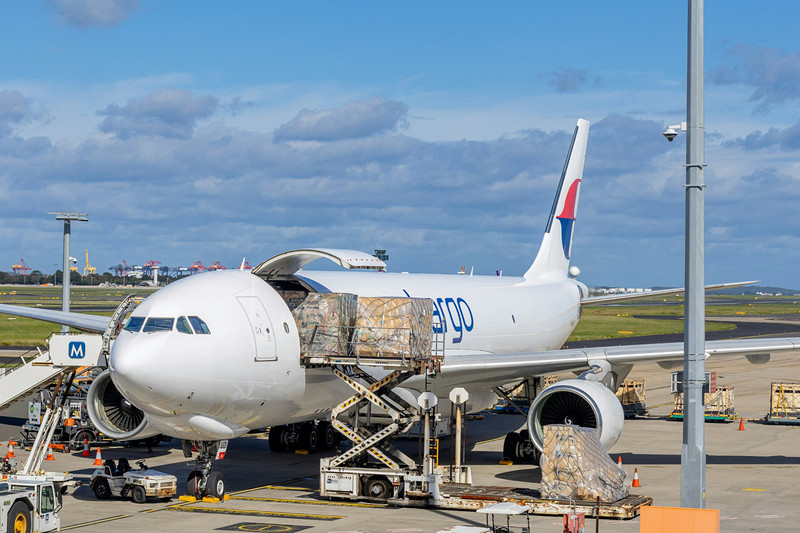
Read guideAir cargo can shorten transit time for urgent stock, documents, samples and high-value goods. Learn what information to provide when requesting an air freight quote.
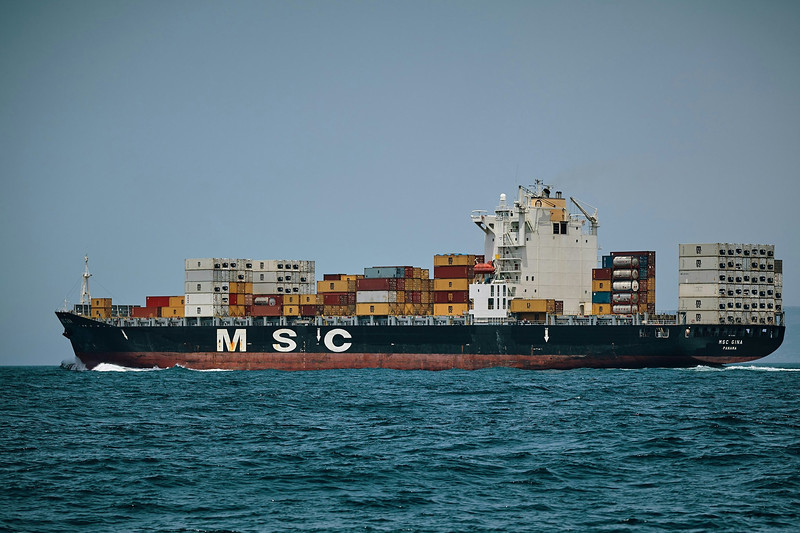
Read guideUnderstand the difference between full-container and shared-container shipping, when each option makes commercial sense, and how cargo volume affects your choice.
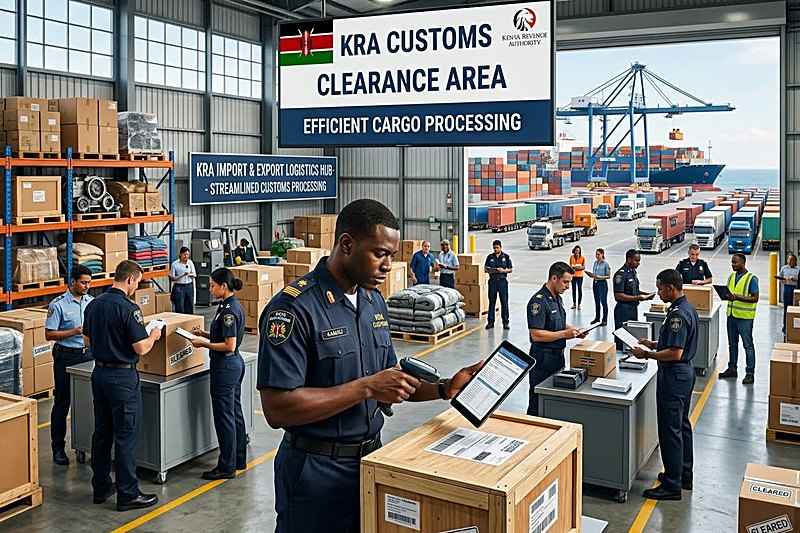
Read guideGood documentation reduces avoidable questions and delays. Review the common commercial paperwork and shipment information you should organize before arrival.
Read guideReliability is more than a delivery promise. Consider pickup coverage, communication, proof of delivery, handling standards and the type of cargo you regularly send.
Read guideBetter shipment planning, accurate dimensions, complete documents, realistic deadlines and proactive communication can prevent many common logistics delays.
Read guideInternational logistics is a chain of connected decisions. A missing document can affect customs. An incorrect weight or dimension can affect a freight quote. A poorly planned final mile can delay an otherwise successful shipment.
That is why our guides focus on practical steps: preparing cargo information, selecting the right transport mode, coordinating documentation, understanding handling requirements and planning delivery before the shipment arrives.
Usually the origin, destination, cargo description, number of packages, weight, dimensions, preferred transport mode and required delivery timeline. Commercial shipments may also require invoice and commodity information.
No. Air freight is generally selected when transit time is important. Sea freight is often more economical for larger or less time-sensitive shipments, particularly when FCL or LCL consolidation is suitable.
Yes. Pandora Sky provides customs clearance support and documentation guidance. Requirements can vary by commodity, origin, destination and applicable Kenyan regulations, so shipment details should be reviewed before dispatch.
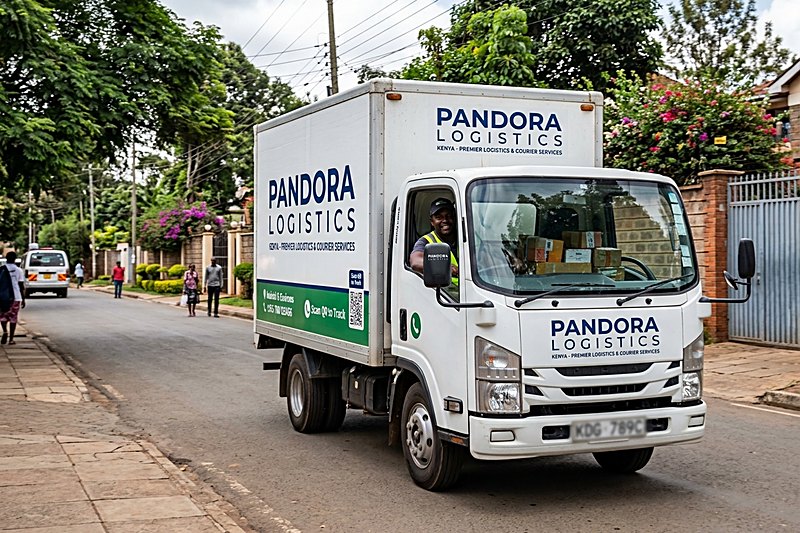
Yes. Our last-mile service supports pickups and final delivery across Nairobi and surrounding areas, depending on the shipment and agreed delivery arrangement.